By Scott Theroux | March 13, 2026
March 13, 2026
Adding a pole barn to your property can be a practical and economical way to expand storage, create a workshop, or add a unique living space. Before starting, it's important to understand what a pole barn is, the materials required, and how it can be customized to your needs. Planning for budgeting, legal regulations, and maintenance will also help ensure a smooth construction project. Working with an experienced pole barn contractor from the beginning can streamline decision-making and prevent costly mistakes.
1. Understanding Pole Barns
What is a Pole Barn?
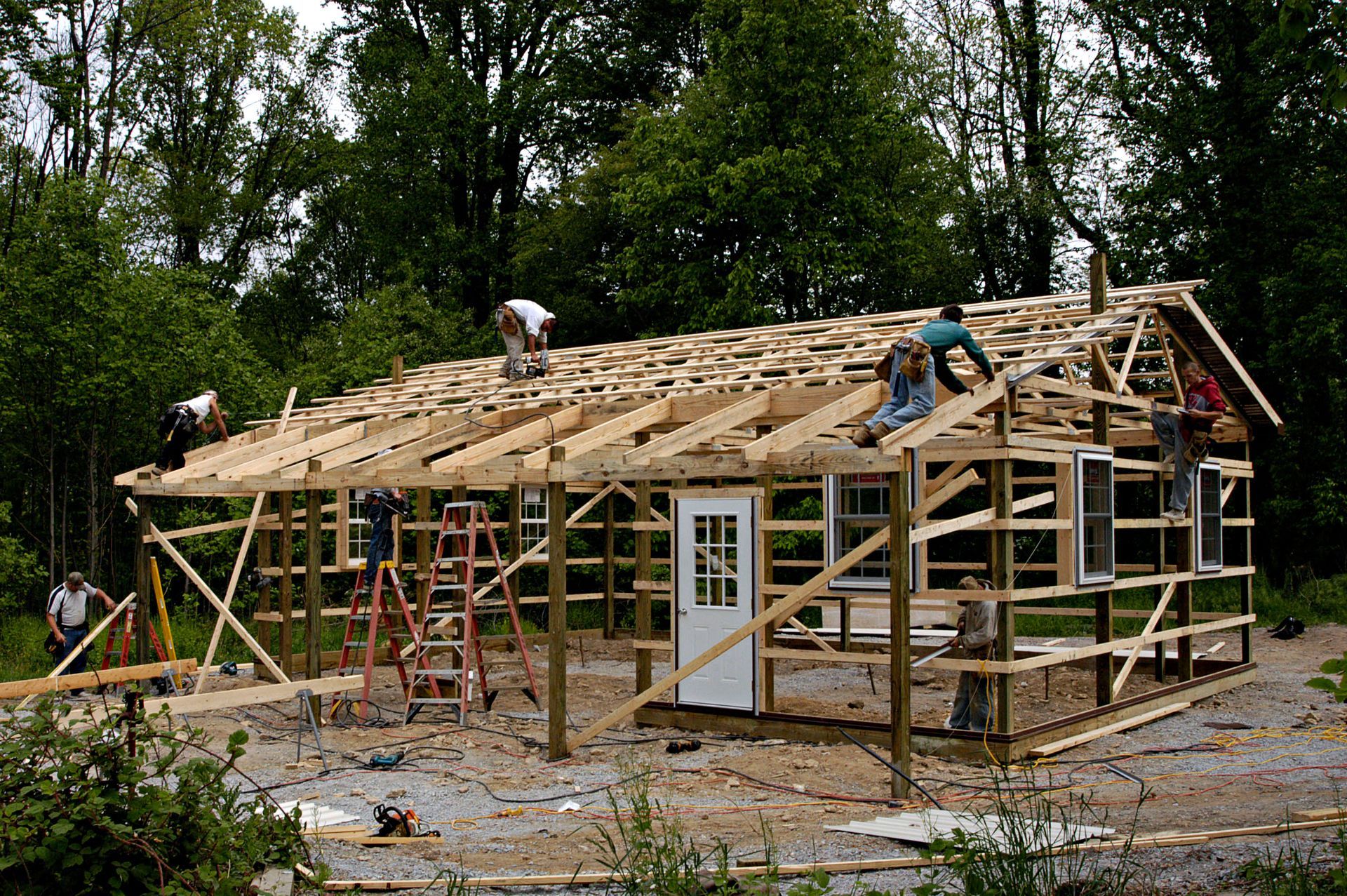
A pole barn is a post-frame structure using large posts driven into the ground to support the roof, eliminating the need for a traditional foundation. Originally designed for agricultural use, pole barns are now used for residential, commercial, and industrial purposes. Their simple yet sturdy design allows for cost-effective and efficient construction, making them a popular choice for many property owners. Additionally, these structures can be designed to withstand harsh weather conditions, making them a reliable solution in areas with heavy snow, wind, or rainfall.
Common Uses of Pole Barns
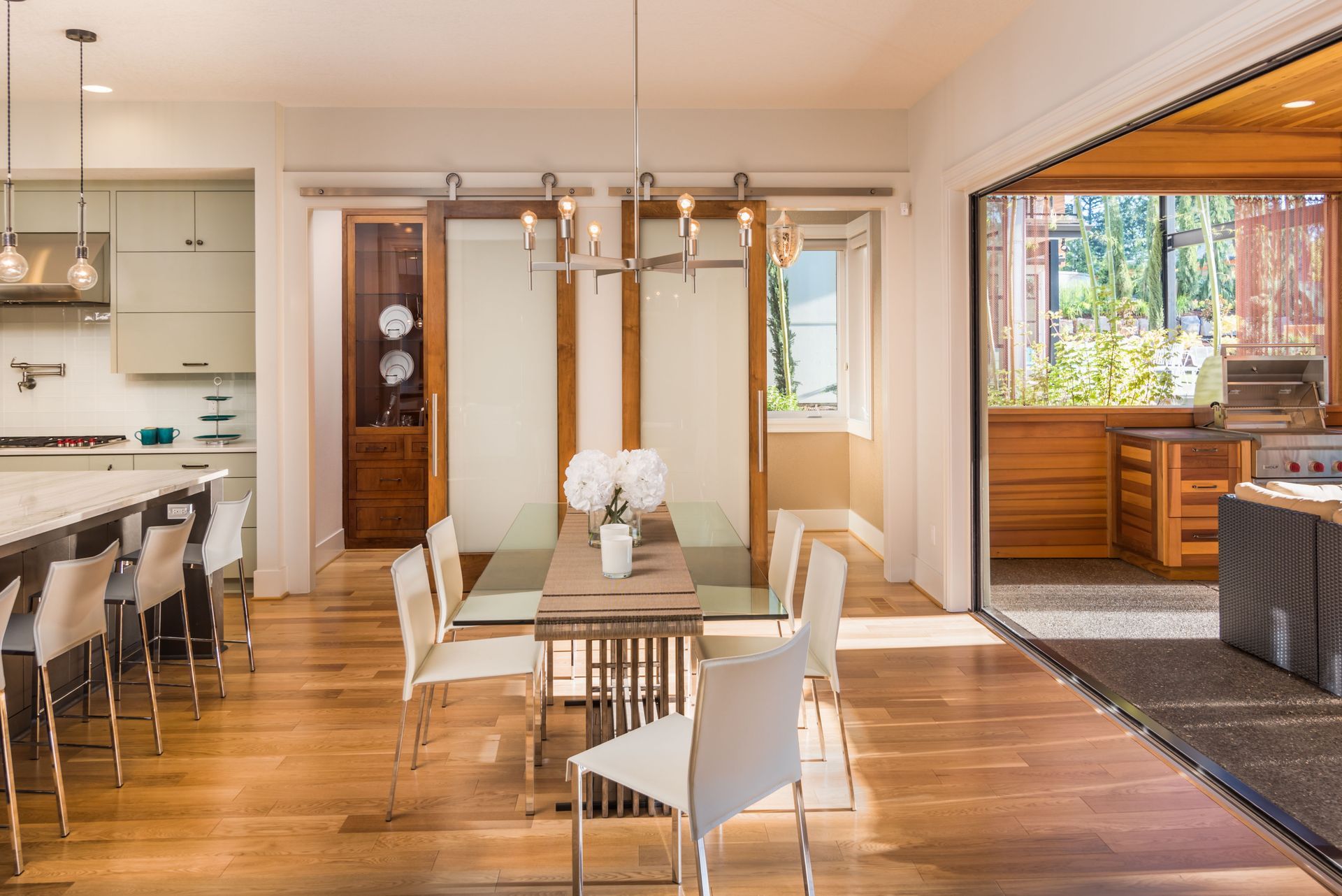
Pole barns are versatile. Traditionally used for storing farm equipment and livestock, they can also serve as garages, workshops, recreational spaces, or even residential units. Modern materials and designs make it possible to create attractive and functional spaces that suit various needs and lifestyles. Many homeowners even customize pole barns for hobby studios, home gyms, or additional living quarters, showcasing the structure’s adaptability.
Advantages of Choosing a Pole Barn
Pole barns are cost-effective, quick to build, and highly customizable. They can be adapted for storage, workspaces, or living areas. Working with a reliable pole barn contractor ensures your project is designed to meet your goals while maintaining durability and practicality. Furthermore, pole barns often require less maintenance than traditional buildings, allowing property owners to enjoy long-term benefits with minimal ongoing effort.
Materials Used in Pole Barn Construction
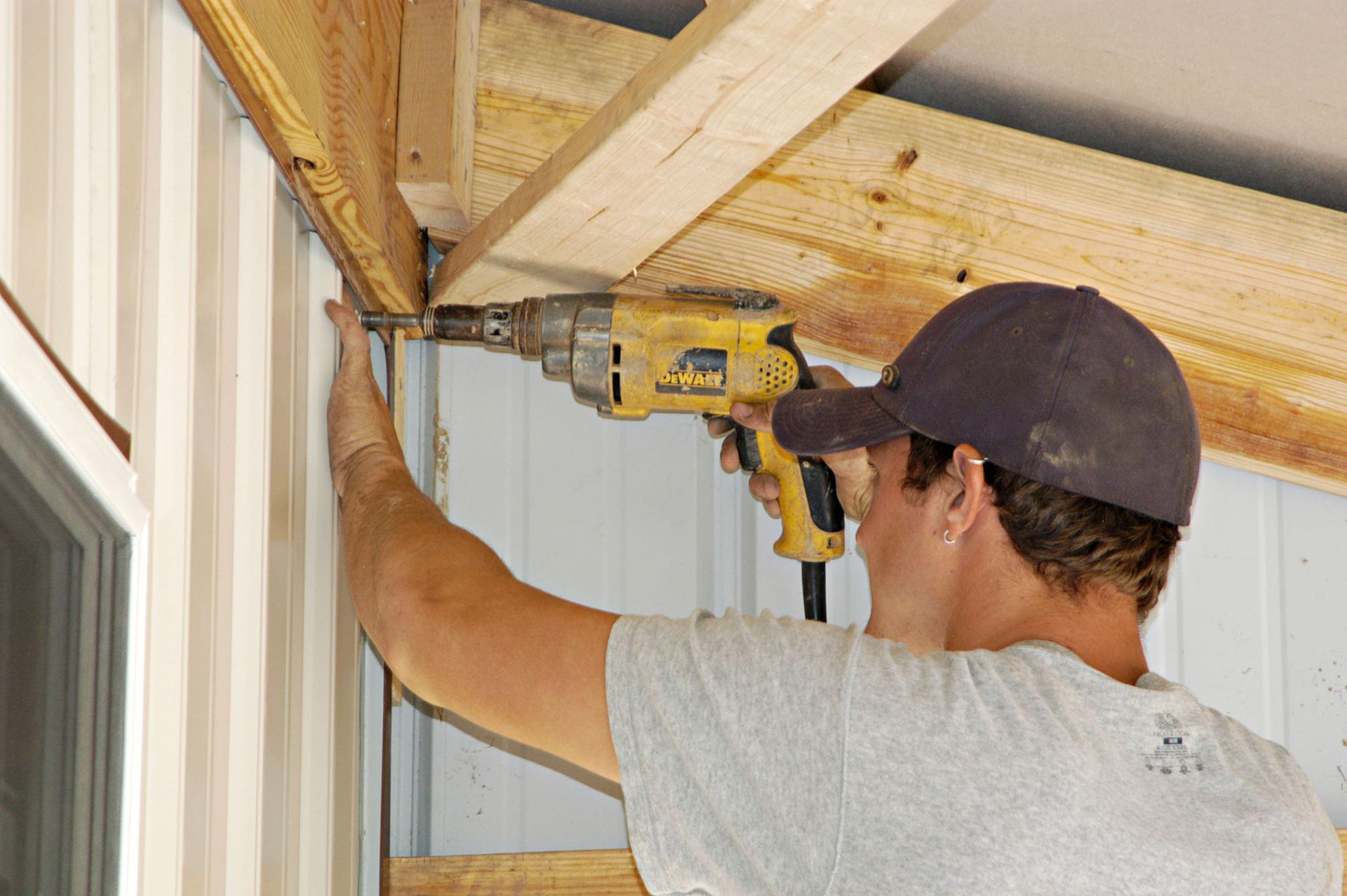
Construction typically involves treated wood posts, metal siding and roofing, and sometimes concrete flooring. Wood provides structural support, metal ensures durability and weather resistance, and concrete floors add a solid, cleanable surface. A professional pole barn contractor can help select materials best suited to your needs and location. Choosing high-quality materials ensures the structure remains safe, functional, and visually appealing for decades.
Design Options and Customizations
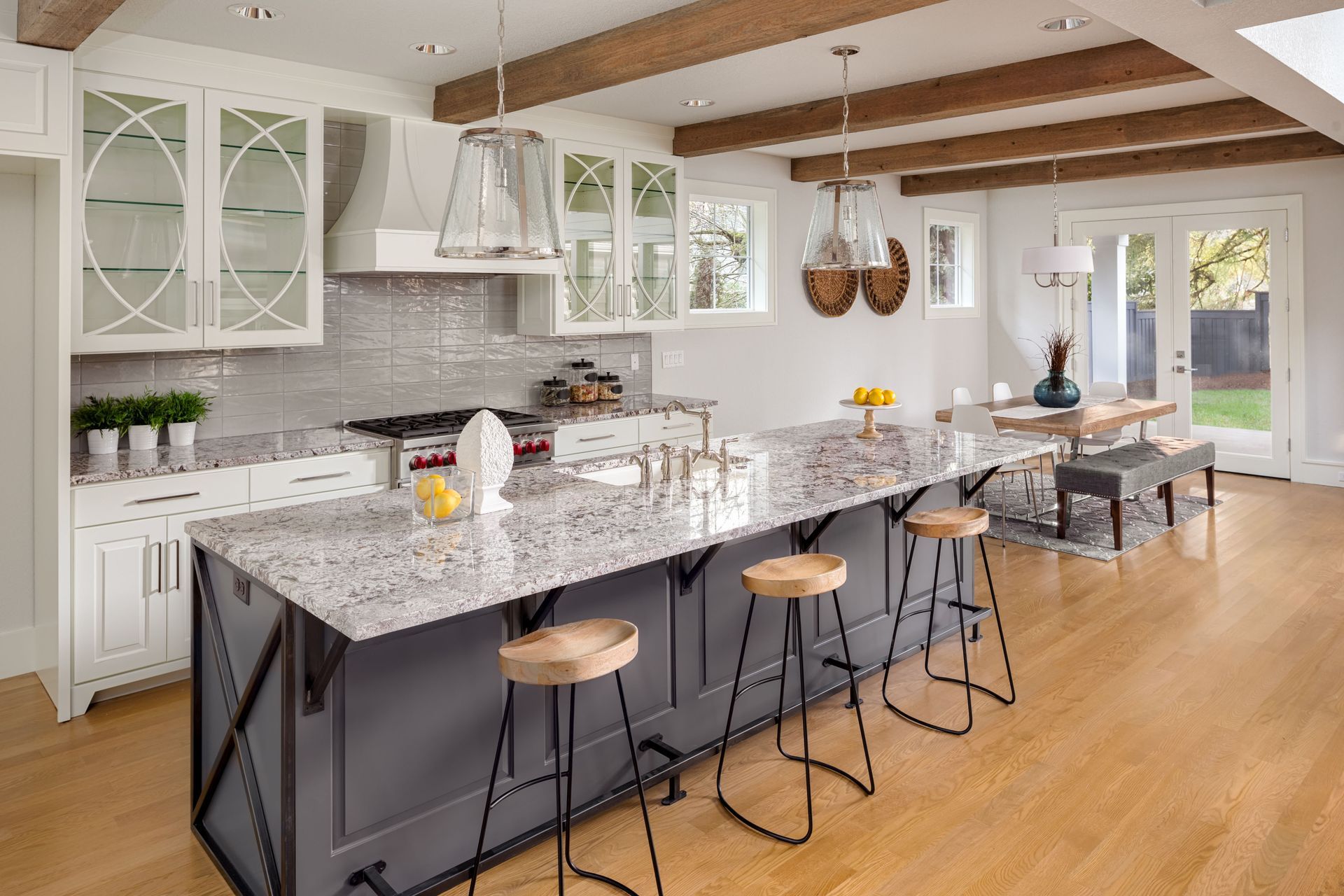
Pole barns can be tailored with lofts, mezzanines, overhangs, and porches. Interiors can include insulation, climate control, and personalized finishes. Windows, doors, and decorative features enhance usability and visual appeal, creating a functional space that fits seamlessly with your property. Thoughtful design can also improve energy efficiency and natural lighting, reducing long-term operating costs and enhancing comfort.
2. Planning and Designing Your Pole Barn
Assessing Your Needs
Determine the purpose of your pole barn, anticipated size, and any future expansions. Consider whether it will be a storage area, workshop, or multi-use space. Clear planning ensures the structure meets your functional and aesthetic goals. Discussing your vision with a pole barn contractor can help refine design choices and identify potential challenges before construction begins.
Choosing the Right Location
Select a site with good access, level terrain, and proper drainage. Consider orientation for natural light and protection from wind. A strategic location increases usability and longevity of the barn. Proper placement also allows for convenient utility connections and ensures compliance with local building codes, preventing future headaches.
Designing for Functionality
Plan the layout for optimal use, including storage, work areas, and flow of movement. Include insulation, ventilation, and lighting to improve comfort and efficiency. A functional design enhances long-term usability. Collaborating with a pole barn contractor can help integrate specialized features, such as lofted storage or overhead doors, that improve workflow and convenience.
Incorporating Aesthetic Features
Appearance matters. Material color, window placement, entrances, and landscaping contribute to curb appeal. A professional pole barn contractor can help integrate functional and aesthetic considerations for a polished final product. Well-designed exterior elements also help the pole barn blend with surrounding structures, enhancing property value.
Planning for Future Expansion
Consider modular design elements and provisions for expansion. Extra height, additional walls, or future lofts can be planned now to simplify future modifications, ensuring your pole barn adapts to evolving needs. Planning avoids costly retrofits and maximizes the utility of your investment over the years.
3. Budgeting for Your Pole Barn
Estimating Costs
Estimate costs for materials, labor, permits, and site prep. Accurate projections help avoid surprises. According to ProBuilder, single-family housing starts grew by 7% in 2024, following two years of decline, suggesting a favorable environment for construction projects. Working with a pole barn contractor can help keep costs within budget while ensuring quality and adherence to your design goals.
Funding Options
Options include personal savings, bank loans, credit unions, or home equity lines of credit. Exploring all avenues ensures you select the most suitable financing for your project without overextending financially. Contractors may also provide referrals to financing programs tailored for pole barn construction, offering additional support.
Cost-Saving Tips
Purchase materials off-season, negotiate bulk pricing, or use reclaimed materials where possible. DIY elements may further reduce labor costs. A knowledgeable pole barn contractor can provide guidance to optimize resources and suggest modifications that save money without compromising structural integrity.
Understanding Long-Term Value
Pole barns increase property value and functionality. A well-constructed, aesthetically integrated structure can appeal to future buyers while offering ongoing benefits for storage, workspace, or living areas. Incorporating flexible designs and high-quality finishes ensures your investment remains valuable for years to come.
Handling Unexpected Expenses
Set aside 10-15% of your budget for unforeseen costs such as weather delays, supply chain issues, or permitting changes. A proactive approach and collaboration with your contractor help minimize financial stress and keep your project on schedule.
4. Navigating Zoning Laws and Permits
Understanding Zoning Laws
Zoning regulations dictate the location, size, and usage of your pole barn. Consult local authorities to ensure compliance, preventing legal issues or costly modifications. A professional pole barn contractor can help navigate these requirements efficiently and provide guidance on acceptable designs.
Obtaining Necessary Permits
Identify required construction, electrical, or plumbing permits. Submit complete applications and address inquiries promptly to avoid delays. Securing permits ensures a smooth and legal construction process and gives peace of mind throughout the build.
Complying with Building Codes
Building codes protect safety and ensure durability. Work with certified engineers or contractors to adhere to standards for structural integrity, materials, and environmental impact. Compliance ensures your pole barn remains safe, durable, and legally approved.
5. Maintenance and Upkeep
Regular Maintenance Tasks
Inspect for rust, rot, or damage, clear gutters, and maintain doors and ventilation. Routine maintenance extends the life of your pole barn and ensures it continues to meet your needs effectively, preventing costly repairs later.
Managing Wear and Tear
Address moisture, structural shifts, or misaligned hardware promptly. Regular upkeep preserves aesthetics and prevents deterioration, ensuring the structure remains safe, functional, and visually appealing over time.
Seasonal Considerations
Adjust maintenance for seasonal changes. Winter requires insulation and heating checks, while summer may require ventilation and shading adjustments. Seasonal care protects the structure and prolongs its lifespan, helping it withstand varying weather conditions throughout the year.
Adding a pole barn is a valuable investment, offering cost-effective space solutions and functional versatility. Collaborating with a professional pole barn contractor ensures proper planning, compliance with legal requirements, efficient construction, and ongoing maintenance. From understanding materials and design options to budgeting and future expansion, careful planning maximizes your property’s utility and value. For more information, contact Imperial Design and Construction today.