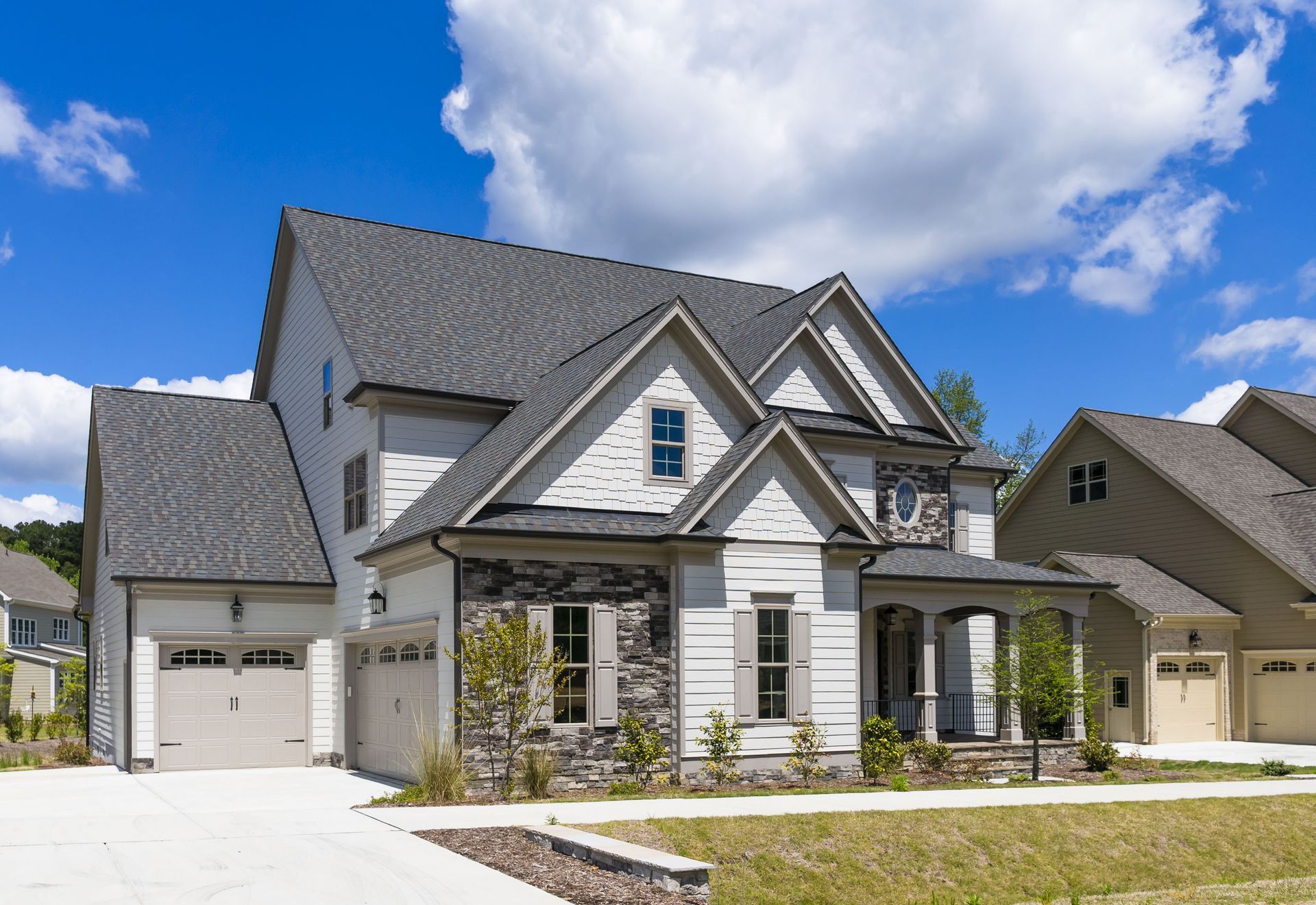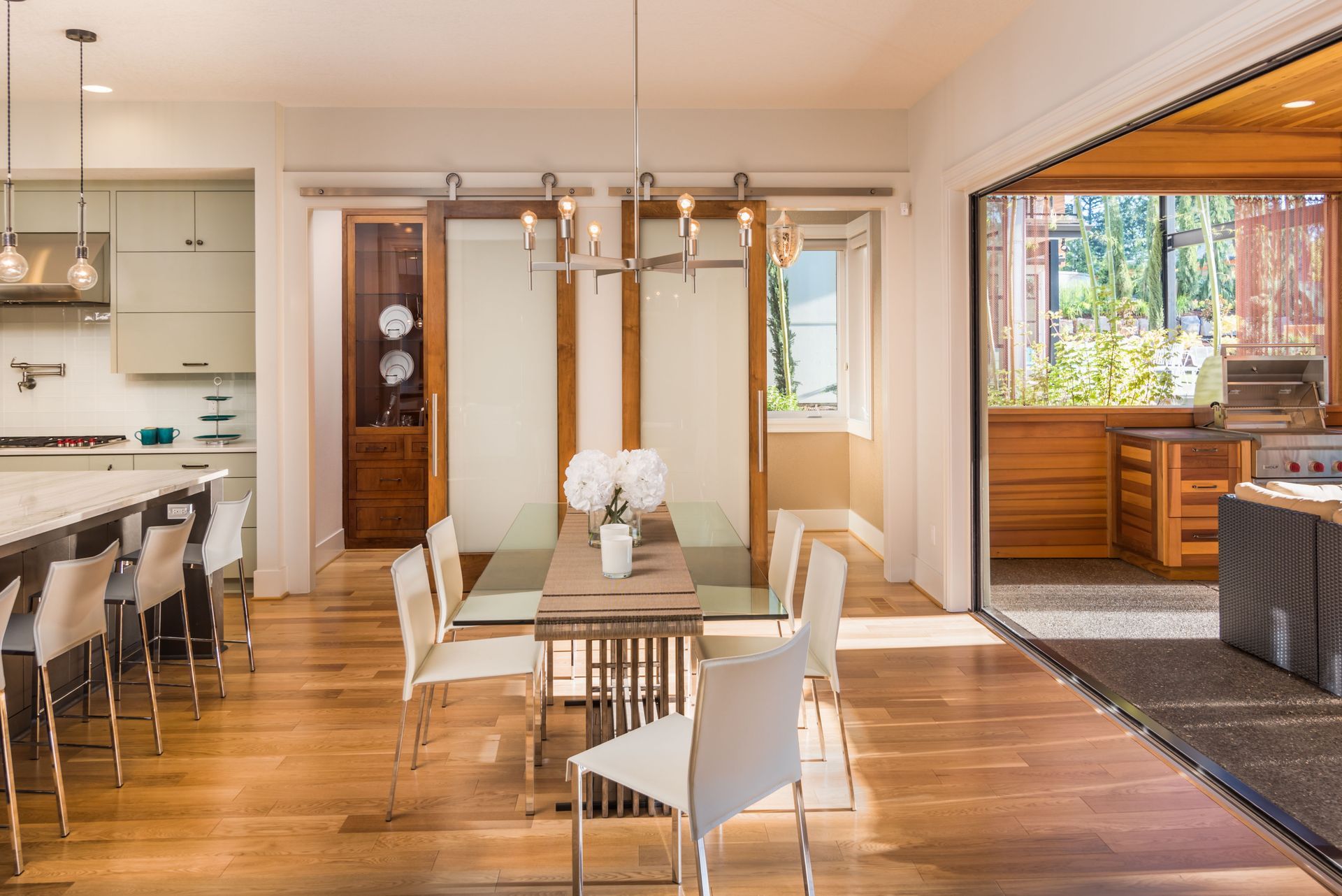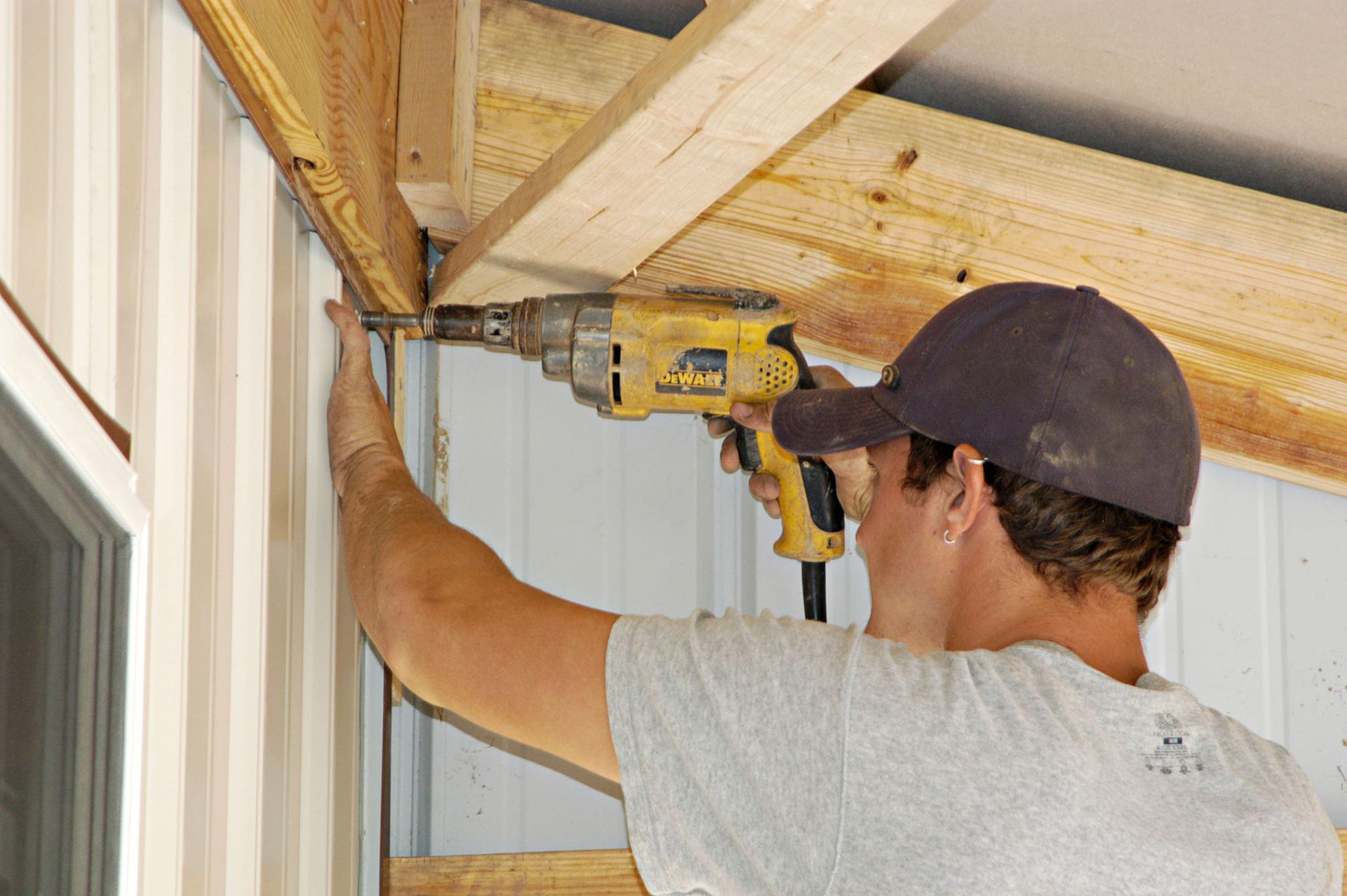
Building a new home is one of the most significant investments you'll ever make, and having the right guidance can make all the difference between a smooth process and a stressful ordeal. Working with a knowledgeable local contractor ensures you have someone who understands regional building codes, climate considerations, and the best suppliers in your area. Whether you're planning a custom log home, a modern barndominium, or a traditional single-family residence, expert advice can help you avoid costly mistakes and create a home that meets your exact specifications. In this comprehensive guide, we'll share essential house construction tips that will help you navigate the building process with confidence and achieve the home of your dreams.
Choose the Right Building Partner for Your Project
Selecting the right local contractor is the foundation of a successful building project, as this decision will impact every aspect of your construction experience. A qualified contractor brings years of experience, established relationships with suppliers, and a deep understanding of local building requirements that can save you time and money. When interviewing potential contractors, ask for references, review their portfolio of completed projects, and verify their licenses and insurance coverage to protect yourself from liability. The right partner will communicate clearly, provide transparent pricing, and work collaboratively with you to bring your vision to life while respecting your budget and timeline.
Before breaking ground, you need a comprehensive budget that accounts for materials, labor, permits, inspections, and a contingency fund for unexpected expenses. According to This Old House, over 1 million new builds were started in March 2024, a 21% increase year over year, indicating a competitive market where prices and availability can fluctuate. Work with your local contractor to develop detailed cost estimates for each phase of construction, from site preparation and foundation work to finishing touches and landscaping. Remember that rushing the process often leads to mistakes and additional costs, so build adequate time into your schedule for weather delays, material deliveries, and the inevitable adjustments that occur during construction.
Prioritize Site Selection and Preparation
The location and condition of your building site will significantly influence your construction costs, design options, and long-term satisfaction with your home. Conduct thorough soil testing to identify any drainage issues, unstable ground, or contamination that could complicate construction or require expensive remediation. Consider factors such as sun orientation, prevailing winds, proximity to utilities, and access for construction vehicles when finalizing your site selection. Your local contractor can help you assess these variables and recommend site preparation strategies that will create a solid foundation for your building project.
A strong foundation is essential for the structural integrity and longevity of your home, making it one area where you should never cut corners. Whether you're building a traditional basement, slab-on-grade, or pier foundation, proper excavation, drainage, and reinforcement are critical to preventing future problems like cracks, settling, and water intrusion. Experienced contractors understand the importance of proper grading, waterproofing, and footer placement to ensure your foundation can support the weight of your structure and resist moisture damage. Taking the time to do foundation work correctly may add a few weeks to your schedule, but it will save you from expensive repairs and structural issues down the road.
Select Appropriate Materials for Your Climate
Your choice of building materials should reflect the environmental conditions in your region, as different climates demand different performance characteristics from roofing, siding, insulation, and other components. A knowledgeable local contractor understands which materials perform best in your area and can recommend options that balance durability, energy efficiency, and aesthetic appeal. Consider factors such as temperature extremes, precipitation levels, humidity, and exposure to UV radiation when selecting exterior materials that will protect your investment for decades. Quality materials may cost more initially, but they typically require less maintenance and last significantly longer than cheaper alternatives.
Incorporating energy-efficient features during construction is far easier and more cost-effective than retrofitting them later, making it essential to consider these elements in your initial design. Modern insulation techniques, high-performance windows, efficient HVAC systems, and proper air sealing can dramatically reduce your utility bills while increasing comfort and reducing your environmental impact. Your local contractor can guide you through options like radiant floor heating, solar panel integration, and smart home technology that align with your budget and goals. Many energy-efficient upgrades also qualify for tax credits and rebates that can offset their initial cost and provide additional financial benefits.
Don't Overlook Proper Ventilation and Moisture Control
Adequate ventilation and moisture management are crucial for maintaining indoor air quality, preventing mold growth, and protecting your home's structural components from rot and decay. Ensure your construction plan includes proper attic ventilation, bathroom exhaust fans, kitchen range hoods, and whole-house ventilation systems that meet current building code requirements. Pay special attention to moisture barriers, flashing details around windows and doors, and proper drainage systems that direct water away from your foundation. A skilled contractor will understand the importance of these systems and incorporate best practices for moisture control throughout the construction process.
When designing your new home, think beyond your current needs to anticipate how your lifestyle might change in the coming years and decades. Features like wider doorways, main-floor bedrooms, and accessible bathroom designs can accommodate aging in place or mobility challenges without requiring expensive renovations later. A reliable contractor can suggest design elements that provide flexibility, such as unfinished spaces that can be completed later, pre-wiring for future technology, or structural support for potential additions. Planning for adaptability now will make your home more comfortable and valuable as your needs evolve.
Understand the Permit and Inspection Process
Navigating building permits and inspections can be one of the most confusing aspects of construction for homeowners, but these requirements exist to ensure your home is safe, code-compliant, and properly documented. Your contractor should handle permit applications and schedule required inspections at various stages of construction, from foundation and framing to electrical, plumbing, and final occupancy. Understanding this process helps you appreciate the timeline and recognize that inspections are protecting your investment by verifying that work meets minimum safety and quality standards. Keep all permit documents and inspection reports as part of your home's permanent record, as they may be required for future sales or refinancing.
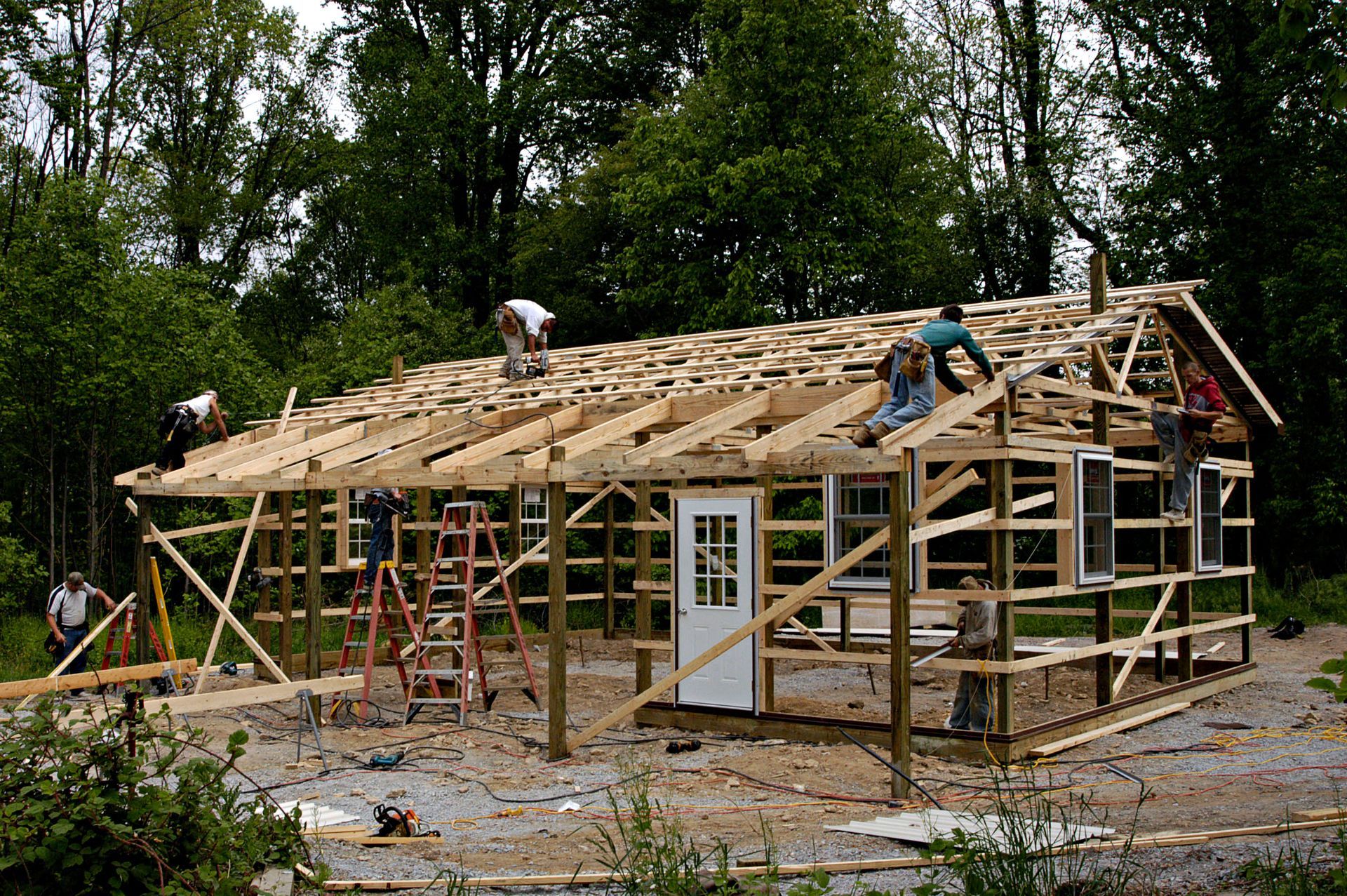
Today's homeowners have more construction options than ever before, from traditional stick-built homes to alternative designs that offer unique benefits and aesthetic appeal. Barndominium construction has become increasingly popular for those seeking open floor plans and lower maintenance costs, while pole barn construction provides affordable, versatile structures for workshops, storage, or living spaces. Custom log homes offer timeless beauty and excellent insulation properties, creating warm and inviting spaces that connect you with nature. Working with a local contractor experienced in these specialized building methods ensures your project receives the expertise and attention it deserves.
Building a new home requires careful planning, experienced guidance, and attention to countless details that determine the quality and longevity of your investment. By following these essential tips and partnering with professionals who understand local conditions, building codes, and construction best practices, you can navigate the building process with confidence and create a home that exceeds your expectations. Remember that the cheapest option is rarely the best value, and investing in quality materials, skilled craftsmanship, and proper planning pays dividends in comfort, efficiency, and lasting satisfaction. Imperial Design and Construction offers free estimates and honest pricing, backed by a 2-year craftsmanship warranty and special discounts for veterans and senior citizens. For more information, contact us today!