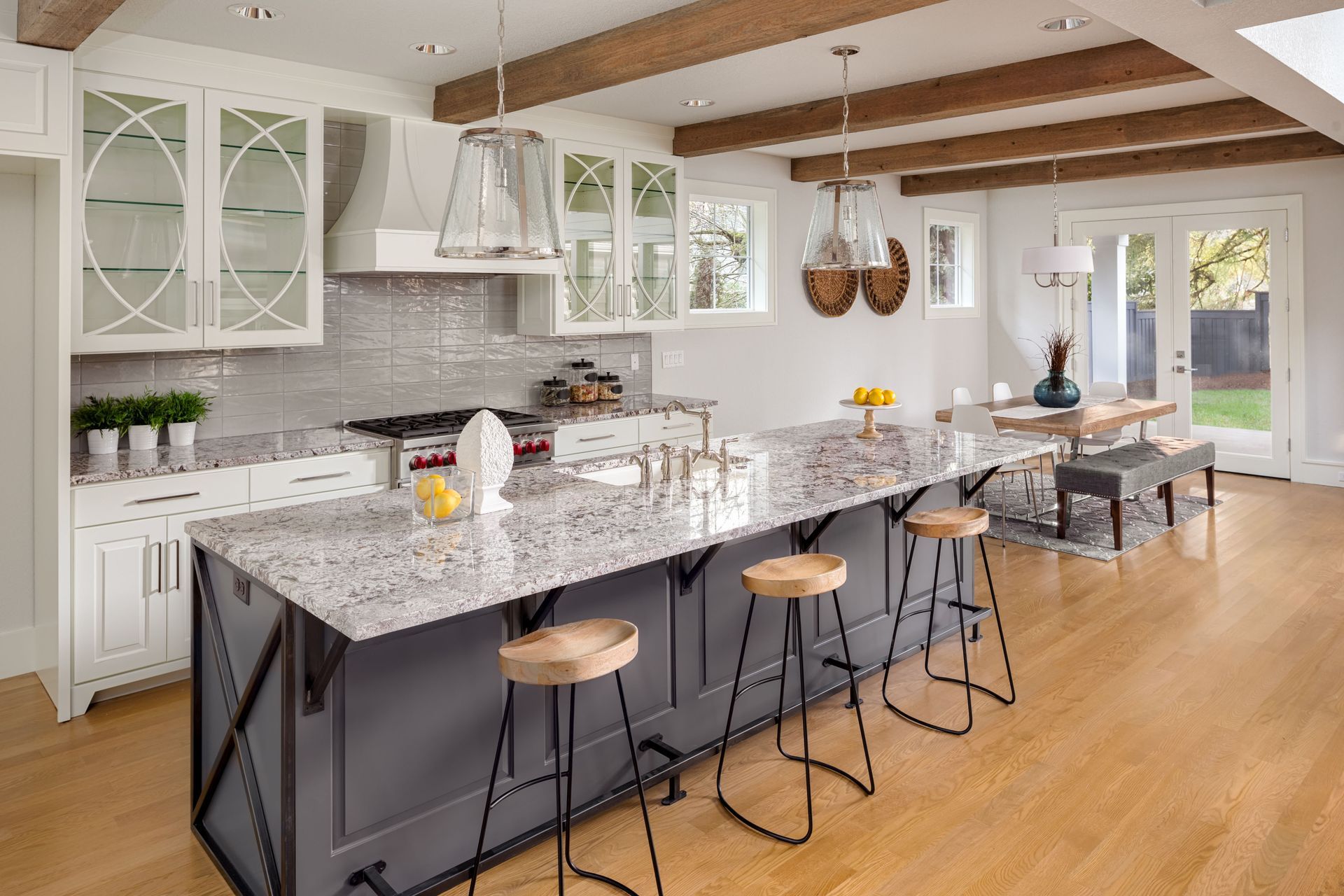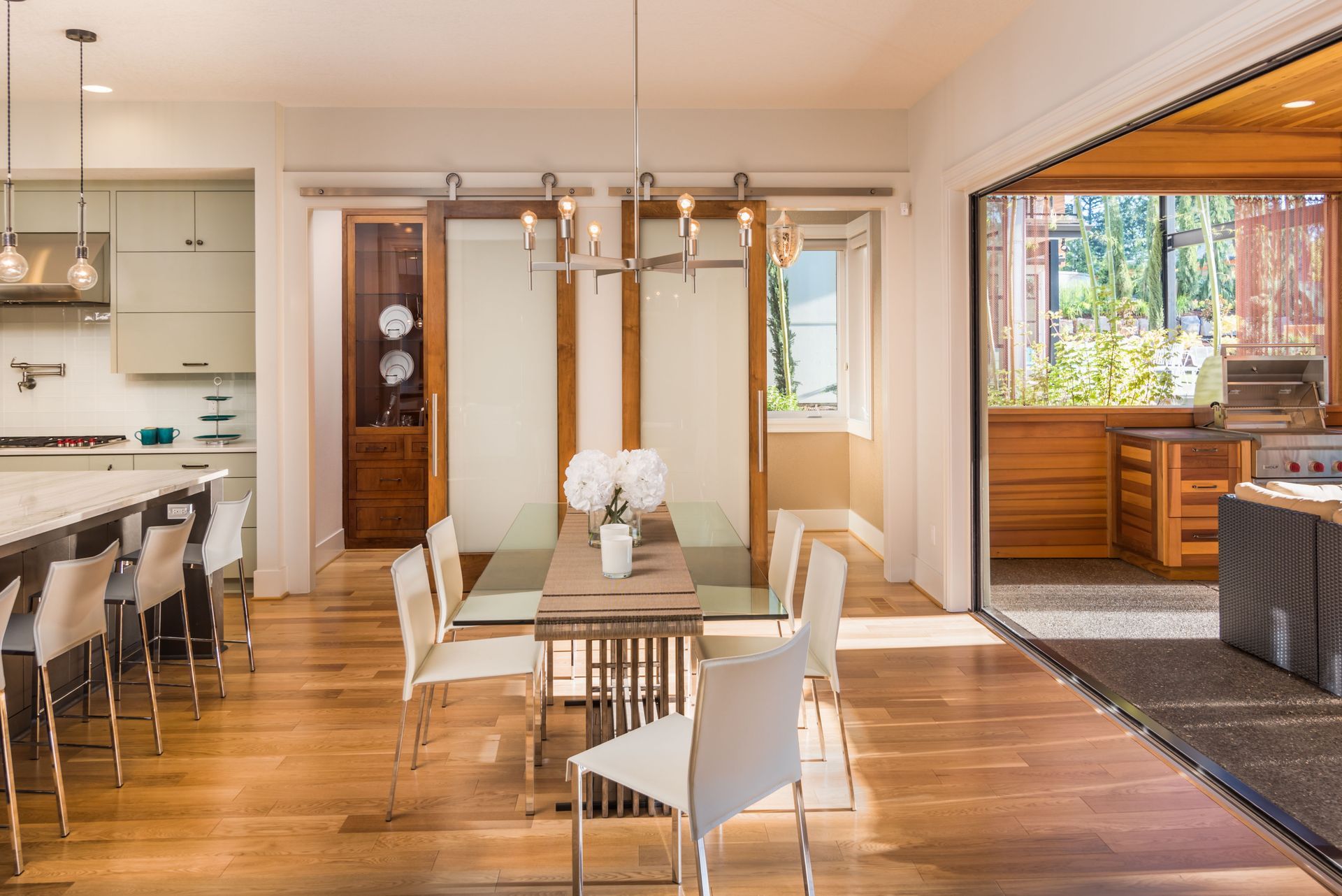
The kitchen is one of the most frequently used areas of a home, making its layout, condition, and overall function important to everyday life. Over time, changing needs, outdated spaces, and normal wear can make a kitchen feel less useful than it once did. This article explains how kitchen remodeling can improve your home's function, comfort, appearance, value, and long-term usability.
Improving Everyday Function
A kitchen should support the way a household uses the home each day. When a space has an inefficient layout, limited room, or areas that no longer fit current needs, everyday activities can become more difficult. Remodeling can provide an opportunity to rethink how the space is arranged and make better use of the available area. Improved function can make a noticeable difference in how people move through the kitchen. Better organization and a more practical layout can create a smoother flow between common work areas. This can make preparing meals, storing household items, and spending time in the kitchen feel more convenient. Working with local contractors can also help homeowners discuss how the existing space could be changed to better match their routines. Professional planning takes the home's structure, available space, and overall goals into consideration before work begins. This can help create a kitchen that feels more practical without making unnecessary changes.
Creating More Comfortable Spaces
Comfort is another important part of a useful kitchen. A cramped or poorly arranged room can make normal activities feel crowded, especially when several people are using the space at the same time. Remodeling can help create a more open and comfortable environment that better accommodates daily activity. Changes to the layout may provide more room for movement and make the kitchen feel less confined. A well-planned space can also make it easier for family members or guests to spend time together without interfering with normal kitchen activities. Local contractors can help evaluate how the existing space is being used and identify areas that may benefit from changes. Their experience with different home layouts can be useful when determining how to improve movement and overall comfort. Seeking professional help can make the planning process more organized and help keep the project focused on practical improvements.
Updating the Overall Appearance
The appearance of a kitchen can have a major effect on how the rest of the home feels. Older finishes, worn surfaces, or an outdated layout may make the space feel disconnected from the home's current style. Remodeling can give the kitchen a refreshed appearance while creating a more consistent look with surrounding areas. A refreshed kitchen does not have to follow a particular design trend. The goal can simply be to create a clean, comfortable space that fits the home's character. Simple changes in layout, finishes, lighting, and overall design can make the room feel noticeably different. Local contractors can discuss design goals and help determine which changes make sense for the space. This can be especially useful when several parts of the kitchen need to work together visually. A coordinated approach can help the finished room feel more complete rather than appearing as a collection of separate updates.
Increasing Home Value
Kitchen improvements can also contribute to the overall value of a property. Because kitchens are central to daily living, buyers often pay attention to their condition, layout, and appearance when considering a home. A functional and updated kitchen can make a property more appealing when it is time to sell. According to RubyHome, kitchen remodeling projects yield an ROI of up to 113%. This figure shows why kitchen improvements can be an important consideration for homeowners thinking about the long-term value of their property. Actual results can vary based on the scope of the project, local market conditions, the home's overall condition, and other factors. The goal does not have to be focused entirely on resale. A kitchen should first meet the needs of the people living in the home. When improvements provide better function and comfort while also supporting property value, the project can offer benefits both now and in the future.
Improving Storage and Organization
Limited storage can make even a reasonably sized kitchen feel difficult to use. When everyday items do not have convenient places to be stored, counters and other surfaces can become crowded. Remodeling can provide an opportunity to rethink storage and create a more organized environment. Better organization can make it easier to locate commonly used items and keep the kitchen orderly. Storage needs also vary from one household to another, so the best approach depends on how the space is actually used. A household that cooks frequently may have different priorities than one that primarily uses the kitchen for quick meals and gatherings. Local contractors can help evaluate available space and discuss ways to improve organization during the planning process. Looking at the kitchen as a whole can help identify areas where space is being underused. Seeking professional help can also provide a clearer understanding of which changes are practical for the home's existing layout.
Supporting Changing Household Needs
Homes and households change over time. A kitchen that worked well several years ago may not provide the same level of convenience today. Changes in household size, routines, entertaining habits, or accessibility needs can all affect how a kitchen should function. Remodeling can help the space adapt to those changes. The goal may be to create more room for shared activities, improve movement, or make frequently used areas easier to access. These improvements can make the kitchen more useful for the current household without relying on a one-size-fits-all approach. Working with local contractors gives homeowners an opportunity to explain how their needs have changed and what they want the kitchen to accomplish. Professional input can help connect those goals with realistic changes to the existing space. Seeking professional help early can also make it easier to identify potential limitations before construction begins.
Reducing the Effects of Wear
Kitchens experience frequent use, so normal wear can accumulate over the years. Surfaces may become worn, layouts may feel outdated, and certain parts of the room may no longer perform as they once did. Remodeling can address these concerns while giving the space a renewed purpose. Addressing visible signs of age can improve the overall condition and appearance of the kitchen. It can also provide an opportunity to look at issues that may have developed as the space has aged. The scope of improvements will depend on the home's condition and the goals established for the project. Local contractors can assess the existing space and discuss which areas may need attention. This can help homeowners establish realistic priorities rather than treating every part of the kitchen as equally important. Seeking professional help can provide a clearer path toward improvements that support the home's long-term needs.
Kitchen remodeling can improve much more than the appearance of one room. It can make daily activities easier, create a more comfortable environment, improve organization, support changing household needs, and contribute to the property's overall value. The most useful improvements are those that connect the kitchen's design with the way the home is actually used. Every home has different requirements, so remodeling decisions should be based on the existing space and the goals of the household. Local contractors can provide guidance throughout the planning process and help determine which changes make sense for the property. Seeking professional help can make it easier to move from general ideas to a clear and practical remodeling plan. For homeowners ready to improve their kitchen, contact the local contractors at Imperial Design and Construction to turn your remodeling goals into a more functional, comfortable, and useful part of the home.